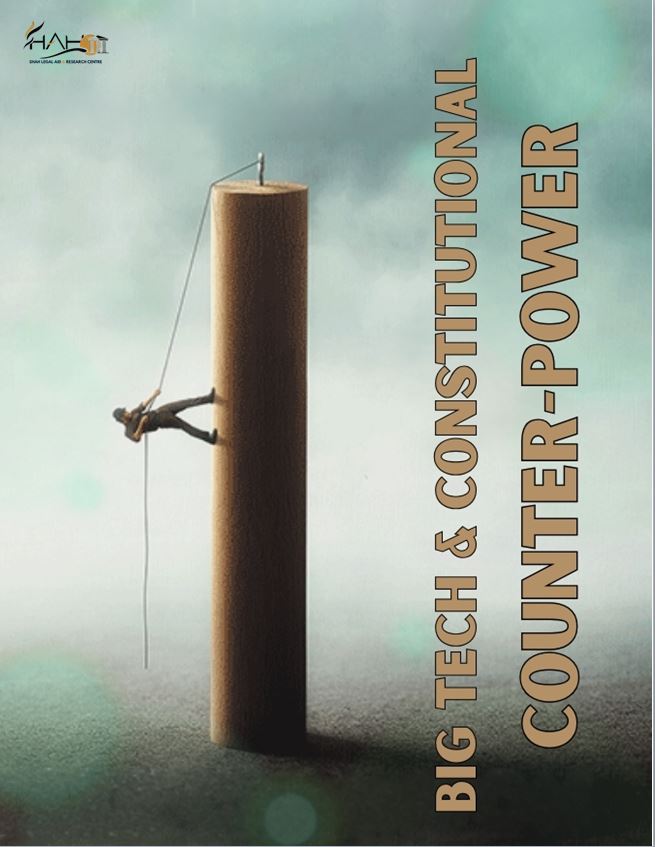
Abstract: The growing dominance of large technology corporations has significantly reshaped the contemporary constitutional environment. Traditionally, constitutional systems determine the allocation of authority among the legislative, executive, and judicial branches of government. In the digital age, however, powerful private corporations—particularly global technology companies—exercise substantial influence over communication networks, digital infrastructure, and data ecosystems. These corporations frequently shape public discourse, regulate the flow of information, and affect policy outcomes in ways comparable to those of public authority. This research explores the notion of the “material constitution,” which describes the actual distribution of power in society beyond the formal constitutional framework. It investigates how major technology corporations operate as de facto counter-powers to executive authority and assesses the consequences for democratic governance, accountability, and constitutional theory. The study contends that the expanding regulatory influence of technology firms challenges traditional constitutional arrangements and necessitates new legal approaches to safeguard democratic legitimacy.
1. Introduction
Modern constitutional theory primarily focuses on the formal constitution—the codified legal document that structures government and allocates powers among public institutions. However, political and legal scholars have long recognised that real-world constitutional systems often operate beyond these formal legal frameworks.
The concept of the material constitution defines the genuine distribution of political, economic, and social power that decisively shapes governance in practice. In contemporary societies, private actors—especially major technology corporations—play powerful roles in the exercise of authority. Their command over digital platforms, information flows, and technological infrastructure directly moulds political processes, public communication, and regulatory enforcement.
In recent years, debates about digital governance have escalated as governments strive to regulate the growing influence of global technology firms. These corporations often act as counter-powers to executive authority, resisting government initiatives, shaping public debate, or establishing private regulatory systems.
In light of this, this research examines the role of major technology companies within the framework of the material constitution and considers the implications for democratic governance and constitutional law, building directly from prior theoretical foundations.
2. Conceptual Framework
2.1 The Material Constitution
The concept of the material constitution provides an important analytical framework for understanding the dynamics of political power beyond the formal legal or written constitution. While the formal constitution defines the allocation of authority among legislative, executive, and judicial branches, the material constitution acknowledges that governance in practice is shaped by actual power relationships that may diverge from formal legal arrangements. This perspective draws on political sociology, constitutional theory, and institutional economics to analyse how authority is exercised in reality.
The material constitution encompasses multiple dimensions of influence, including:
Economic power structures: Dominance over capital, production systems, and markets can dictate policy outcomes and shape legislative priorities. Wealthy actors and corporations commonly exert indirect influence over lawmaking through lobbying, campaign financing, or economic leverage.
Social institutions: Educational bodies, religious organisations, and civil society groups contribute to shaping norms, public attitudes, and collective behaviour, thereby indirectly influencing political decisions.
Political actors outside formal government: Non-state actors, including corporations, interest groups, labour unions, and media organisations, play active roles in influencing governance and policy outcomes. Their impact may complement or rival state authority in particular sectors.
Regulatory influence exerted by private entities: In sectors increasingly governed by private standards—such as digital platforms, financial systems, and global supply chains—non-state actors may impose rules and norms that closely resemble formal legal regulations.
This understanding challenges purely legalistic interpretations of constitutional order by emphasising power de facto rather than authority de jure. It highlights that constitutional governance cannot be fully understood without examining how authority is exercised in practice, who controls essential infrastructures, and how social and economic forces influence political outcomes.
By integrating insights from public law, political economy, and governance studies, the material constitution framework offers a lens for analysing how non-state actors can function as counter-powers, balancing or contesting the authority of formal governmental institutions.
2.2 Big Tech as Non-State Actors
In the contemporary digital environment, large technology corporations—often collectively described as “Big Tech”—represent prominent examples of non-state actors whose influence rivals that of traditional governmental authorities. Corporations such as Google, Meta Platforms, Amazon, Apple, and Microsoft operate global platforms that mediate essential societal functions, including communication, commerce, and information dissemination.
These corporations have amassed unprecedented economic, technological, and infrastructural power, enabling them to reshape the material constitution in ways historically reserved for government. Their platforms are now essential elements of digital infrastructure, with billions worldwide depending on them for social interaction, commerce, and access to knowledge.
The authority exercised by Big Tech companies includes:
Regulation of digital speech and content: Platforms implement content-moderation policies that determine which information circulates, which voices are amplified, and which materials are restricted. Decisions concerning de-platforming, algorithmic visibility, and content prioritisation resemble regulatory authority traditionally exercised by state institutions.
Shaping information ecosystems: Through algorithms, recommendation systems, and search rankings, these corporations influence public discourse, attention economies, and political debate. Their platforms structure how knowledge and opinion are formed within digital societies.
Influence over political discourse and agenda-setting: Through targeted advertising, data-driven campaigning, and social network dynamics, Big Tech firms may indirectly shape voter preferences, public debates, and political priorities.
Control over digital markets and data flows: Corporations dominate cloud infrastructure, app distribution platforms, and e-commerce systems, creating quasi-regulatory authority over digital markets. Ownership and control of data further empower these firms to influence innovation, competition, and consumer behaviour.
These roles demonstrate that Big Tech corporations function as de facto regulatory actors whose authority intersects, complements, or sometimes opposes formal state power. In certain settings, their actions fill regulatory voids left by states in digital spaces. Simultaneously, this power raises questions about accountability, transparency, and the democratic legitimacy of private regulation.
From the perspective of the material constitution, Big Tech firms act as non-state counter-powers that influence policy outcomes, social norms, and regulatory practices. Their influence is particularly visible where state institutions lack the technological capacity, data resources, or global reach necessary to govern digital platforms effectively.
In summary, examining Big Tech through the lens of the material constitution allows scholars to analyse the relationship between formal legal structures and actual power dynamics. It demonstrates how private actors increasingly participate in the governance of essential social functions traditionally monopolised by the state.
3. Big Tech and the Transformation of Constitutional Power
3.1 Platform Governance
Digital platforms—especially those controlled by major technology corporations—have transformed into private regulatory environments that create rules, norms, and enforcement mechanisms shaping the behaviour of billions globally. These frameworks specify policies for content moderation, use standards, algorithmic selection, and data management.
From the perspective of the material constitution introduced earlier, platform governance operates as a form of quasi-regulatory authority in which private corporations assume responsibilities traditionally associated with governmental institutions. For instance:
Content moderation: Social media platforms dictate which speech is allowed, restricted, or removed. Actions such as account suspension, content demotion, and misinformation labelling shape public discussion and political dialogue with decisive authority.
Rule enforcement: Unlike state-based legal sanctions, enforcement on digital platforms occurs through internal governance systems. These include automated moderation technologies, human review mechanisms, and user reporting structures that ensure compliance with platform policies.
Policy standard-setting: Platforms establish their own standards for privacy, harassment, misinformation, and acceptable content. These standards often function as informal legal norms governing digital interaction.
Such governance practices illustrate how constitutional power is evolving in digital societies. Although formal legal authority remains vested in state institutions, private digital platforms exercise substantial influence over who may participate in public communication, what information gains visibility, and how political discourse develops. In this sense, they reshape the practical exercise of authority within the material constitution.
3.2 Data Control and Surveillance
Another important dimension of Big Tech’s influence concerns the control and management of data flows. Major technology corporations operate digital services that collect and process enormous volumes of personal, behavioural, and transactional information. This concentration of data provides firms with powerful tools to:
Influence consumer behaviour: Through personalised recommendations, targeted advertising strategies, and predictive analytics, companies guide individual choices in both economic and social contexts.
Shape political communication: Algorithmic amplification mechanisms influence which political messages reach users, potentially affecting voter perceptions and shaping public debate.
Monitor societal trends: Data analytics enable corporations to identify emerging social patterns, public mobilisation dynamics, and economic developments, providing insight into broader political and economic processes.
The collection and use of personal data raises significant questions about privacy protection, accountability, and democratic oversight. When private corporations control essential data infrastructure and use it to influence societal outcomes, the balance of power between public institutions and private actors becomes increasingly uneven. Within the material constitution framework, control over data is a crucial domain in which non-state actors exercise de facto authority over social processes previously regulated primarily by the state.
4. Big Tech as Counter-Powers to Executive Authority
Big Tech companies do not simply exercise influence in neutral commercial domains. In certain circumstances, they function as counter-powers to executive authority, thereby reshaping the configuration of political power. Their ability to challenge or resist governmental initiatives stems largely from their control over digital infrastructure, data systems, and communication networks.
4.1 Resistance to Government Policies
Technology corporations have, on several occasions, resisted government demands or policy initiatives that conflict with corporate values or perceived user rights. Examples include:
• Declining to comply with certain governmental requests for content removal that are considered politically motivated.
• Initiating legal challenges against surveillance requirements imposed by governments, often citing privacy and freedom of expression concerns.
• Restricting the sharing of user data with authorities in jurisdictions where legal safeguards are ambiguous or insufficient.
These instances demonstrate that non-state actors can exercise a check on executive power, particularly in areas where governments depend on private technological infrastructure to implement regulatory policies.
4.2 Control of Digital Communication Infrastructure
Modern governments increasingly rely on privately owned digital platforms to implement policies related to communication, security, and information distribution. Social media networks, cloud computing services, and digital messaging systems have become essential infrastructure through which governments attempt to:
• Disseminate public health information and emergency announcements
• Monitor online security threats or cyber risks
• Implement content moderation initiatives associated with national security or public safety
Because states depend on these privately owned platforms, technology companies gain strategic leverage over governmental initiatives. This relationship creates a governance structure in which private corporations act as intermediaries that hold substantial influence over the functioning of the public sphere.
4.3 Influence on Political Processes
Beyond operational cooperation with governments, Big Tech platforms also shape democratic processes through algorithmic systems and targeted communication strategies. These mechanisms include:
• Recommendation algorithms that determine which news stories, posts, or messages receive greater visibility.
• Targeted political advertising that influences voter attitudes and political mobilisation.
• Platform governance policies that define the acceptable boundaries of political expression and engagement.
Through these mechanisms, private corporations can both directly and indirectly influence political discourse, potentially supporting or challenging executive policies and decisions.
4.4 Implications for the Material Constitution
Taken together, these developments indicate that Big Tech corporations occupy a de facto position of counter-power within the material constitution. Their capacity to regulate digital activity, control information flows, and resist certain governmental directives demonstrates that constitutional authority is increasingly dispersed among non-state actors.
This transformation challenges conventional interpretations of separation of powers, executive authority, and democratic accountability. It highlights the need to reconsider how formal constitutional frameworks interact with private actors, particularly in contexts where digital infrastructure mediates governance and public participation.
5. Constitutional and Legal Implications
The emergence of Big Tech corporations as influential non-state actors raises significant constitutional and legal concerns. While classical constitutional theory focuses on the allocation of authority among formal branches of government, the material constitution perspective acknowledges that private actors may exercise quasi-governmental power, thereby influencing democratic governance and public accountability.
5.1 Democratic Legitimacy
One of the primary concerns about the regulatory authority wielded by Big Tech companies is the lack of democratic legitimacy. Unlike elected representatives or public institutions, technology corporations are not directly accountable to citizens. Their internal decision-making processes—whether related to content moderation, algorithmic governance, or enforcement of platform rules—generally occur within corporate structures that lack transparency and public oversight.
This situation raises several normative and constitutional questions:
• To what extent should private corporations be permitted to make decisions with broad societal consequences?
• How can democratic legitimacy be ensured when corporate decisions shape public discourse, political mobilisation, and civic engagement?
• What regulatory mechanisms can ensure that corporate governance practices align with democratic principles?
These issues become particularly significant in societies where digital platforms mediate access to information and therefore influence the functioning of the public sphere.
5.2 Separation of Powers
The rise of powerful private actors complicates traditional constitutional doctrines, especially the principle of separation of powers. Classical constitutional design assumes that regulatory authority is exercised within defined institutional boundaries by legislative, executive, and judicial branches.
However, Big Tech corporations frequently perform functions comparable to those of regulatory agencies, including:
• Establishing behavioural rules for digital communities
• Enforcing compliance among users and platform participants
• Moderating content and resolving disputes between users
When private corporations perform these quasi-regulatory functions, they operate outside conventional systems of constitutional checks and balances. This development challenges scholars and policymakers to reconsider how separation-of-powers principles can accommodate influential non-state actors without undermining the authority of formal public institutions.
5.3 Fundamental Rights
Decisions made by digital platforms can significantly affect fundamental rights, including:
Freedom of expression: Policies regarding content visibility, moderation practices, and account suspensions directly influence users’ ability to participate in public communication.
Privacy rights: The collection, analysis, and commercialisation of personal data raise concerns regarding consent, informational self-determination, and individual autonomy.
Access to information: Algorithmic ranking systems determine which information is most accessible to users, thereby shaping public knowledge and political debate.
Because these powers are exercised primarily by private corporations rather than public authorities, establishing legal accountability becomes challenging. Courts traditionally apply constitutional scrutiny to state actions. When private actors mediate these fundamental rights, new regulatory frameworks may be required to ensure that constitutional protections are not bypassed through corporate governance mechanisms.
6. Regulatory Responses
In response to the growing influence of Big Tech corporations, governments and supranational institutions have begun developing regulatory frameworks to improve transparency, accountability, and fairness in platform governance. These initiatives represent attempts to rebalance authority between public institutions and private actors while safeguarding democratic processes and fundamental rights.
6.1 European Union: The Digital Services Act
A notable example of regulatory intervention is the Digital Services Act (DSA) introduced by the European Union. The DSA creates a comprehensive legal framework for ensuring the accountability of online platforms, incorporating several key provisions:
Content moderation obligations: Platforms must establish transparent procedures for addressing illegal content while respecting freedom of expression.
Transparency measures: Technology companies must publish reports detailing the functioning of algorithmic systems, processes for removing content, and mechanisms available for user complaints and appeals.
Risk management: Very large platforms are obligated to evaluate and mitigate systemic risks linked to their services, including the spread of misinformation, manipulation of public opinion, and other societal harms.
The DSA represents an important move toward the direct regulation of private digital governance. It aims to ensure that corporations exercising quasi-regulatory powers do so in accordance with public policy objectives and established legal norms.
6.2 Other Regulatory Initiatives
Beyond the European Union, individual states and international organisations have pursued additional regulatory strategies to address Big Tech’s influence. These measures include:
Antitrust investigations: Efforts targeting monopolistic conduct and excessive market dominance within digital markets, with the goal of encouraging competition and reducing the concentration of corporate power.
Data protection laws: Legislative instruments such as the General Data Protection Regulation (GDPR) regulate the collection, processing, and transfer of personal data, ensuring that corporate practices comply with privacy rights.
Algorithmic transparency requirements: Regulations requiring disclosure, auditing, and explainability of automated decision-making systems to prevent discriminatory outcomes or opaque algorithmic practices.
Collectively, these regulatory initiatives aim to restore a balance between public authority and private power while preserving the benefits of technological innovation. They reflect a growing recognition that unchecked corporate authority in digital governance presents significant constitutional, economic, and social risks.
6.3 Implications for the Material Constitution
From the perspective of the material constitution, these regulatory developments illustrate efforts to formalise the oversight of influential non-state actors. By embedding obligations of transparency, accountability, and risk management within legal frameworks, governments attempt to:
• Reinforce democratic legitimacy in domains previously governed largely by private discretion
• Ensure that platform governance respects fundamental rights and constitutional values
• Integrate private actors into broader governance systems without surrendering ultimate regulatory authority
These developments demonstrate that although Big Tech corporations have become central actors within the material constitution, regulatory mechanisms developed by states and supranational bodies can moderate their influence while preserving constitutional principles within the digital age.
7. Theoretical Perspectives
The growing prominence of Big Tech corporations as influential non-state actors in digital ecosystems has prompted scholars to develop theoretical frameworks to conceptualise their role in constitutional governance. These perspectives help explain how private entities may exercise quasi-constitutional authority and influence democratic institutions.
7.1 Digital Constitutionalism
Digital constitutionalism refers to the emergence of legal and normative principles designed to protect fundamental rights and regulate governance within digital environments. Unlike traditional constitutional law—which primarily addresses the authority of the state—digital constitutionalism focuses on rights, accountability, and rule-making within online spaces. Key components include:
• Protection of freedom of expression and access to information in digital environments
• Safeguarding privacy rights and ensuring effective data protection
• Establishing mechanisms for dispute resolution and remedies for users affected by platform decisions
This framework highlights the need to extend constitutional values into cyberspace. It acknowledges that traditional state-centred legal mechanisms may be insufficient for regulating global digital platforms operating across multiple jurisdictions.
7.2 Corporate Constitutionalism
Corporate constitutionalism conceptualises major technology corporations as quasi-constitutional actors whose governance structures affect millions of individuals worldwide. Through platform policies, algorithmic curation, and content moderation, corporations perform functions similar to those traditionally associated with state institutions, including:
• Establishing binding rules governing user conduct
• Controlling access to critical communication infrastructure
• Mediating fundamental rights such as freedom of expression and privacy
This perspective highlights the normative and legal challenges posed when private authority is exercised on a scale comparable to that of governmental power. It emphasises the tension between corporate discretion and democratic accountability.
7.3 Network Governance
Network governance emphasises the distributed nature of authority within digital societies, where power is shared among governments, corporations, civil society organisations, and supranational institutions. Under this model:
• Governance occurs through interconnected networks rather than strictly hierarchical state structures
• Non-state actors, including Big Tech corporations, play central roles in shaping policies, enforcing norms, and regulating behaviour
• Legal accountability is complemented by multi-stakeholder cooperation involving voluntary standards, industry codes of conduct, and collaborative regulatory initiatives
This approach situates Big Tech within broader governance networks, illustrating that constitutional influence is increasingly polycentric and dispersed among multiple public and private actors.
8. Policy Recommendations
Addressing Big Tech’s influence on constitutional governance requires a comprehensive policy strategy that combines legal regulation, corporate accountability, and democratic oversight. The following measures are essential to ensure that digital platforms operate in ways consistent with constitutional principles.
8.1 Strengthening Democratic Oversight
Governments should establish mechanisms to ensure that platform governance aligns with democratic values and public accountability. Possible strategies include:
• Creating independent regulatory authorities responsible for monitoring platform policies and practices
• Developing participatory governance mechanisms that allow civil society organisations and platform users to contribute to policy discussions
• Requiring companies to publish detailed reports on policy enforcement and user impacts
These mechanisms can help incorporate corporate decision-making within the broader democratic structure of the material constitution.
8.2 Transparency in Platform Governance
Transparency is essential to addressing the opacity of algorithmic decision-making and content moderation systems. Key measures include:
• Disclosure of algorithmic logic, ranking processes, and moderation criteria
• Public reporting on content removals, account suspensions, and policy enforcement outcomes
• Clear communication of platform rules, terms of service, and user rights
Enhanced transparency promotes accountability, facilitates public scrutiny, and strengthens legal oversight of private regulatory authority.
8.3 Antitrust Enforcement
Competition law remains a crucial mechanism for preventing the excessive concentration of technological and economic power. Policy measures may include:
• Structural separation or regulation of dominant platforms to ensure fair competition
• Restricting mergers and acquisitions that may reduce competition within digital markets
• Monitoring business practices that generate network effects or reinforce monopoly-like market dominance
By limiting excessive concentration of power, antitrust enforcement reduces the potential for corporate counter-powers to operate without effective oversight.
8.4 Protection of Fundamental Rights
Legal frameworks must ensure that digital platforms respect constitutional and human rights principles even when governance decisions are made privately. Important measures include:
• Codifying user rights to freedom of expression, privacy, and due process within online environments
• Establishing mechanisms allowing users to challenge content moderation decisions or data misuse
• Regulating algorithmic systems to prevent bias, discrimination, or manipulative practices
Protecting fundamental rights enhances the normative legitimacy of digital governance and ensures that private authority does not undermine democratic values.
8.5 Integrating Theory and Policy
By combining insights from digital constitutionalism, corporate constitutionalism, and network governance, policymakers can develop coherent strategies that:
• Recognise the reality of corporate influence within the material constitution
• Establish institutional mechanisms for accountability and oversight
• Safeguard democratic values and fundamental rights within digital societies
These strategies provide a foundation for regulating Big Tech that balances technological innovation, economic development, and constitutional legitimacy.
9. Future Research Directions
The emergence of Big Tech corporations as influential non-state actors reveals important gaps in legal scholarship and constitutional theory. Although existing research has explored the economic, technological, and regulatory aspects of platform power, several areas remain underinvestigated.
9.1 The Role of Private Corporations in Constitutional Governance
Future research should analyse the mechanisms through which private actors exercise de facto regulatory authority, influencing social norms, public discourse, and economic behaviour. Key questions include:
• How corporate policies and algorithmic systems function as quasi-constitutional instruments
• How non-state actors may operate as counter-powers to state authority while remaining accountable to democratic principles
• How private governance structures interact with formal constitutional institutions
This line of inquiry will deepen understanding of the material constitution and the relationship between legal authority and actual power in contemporary societies.
9.2 Legal Frameworks for Regulating Digital Platforms
Further research is needed to evaluate innovative regulatory approaches that reconcile platform autonomy with public accountability. Future studies may examine:
• Comparative analysis of regulatory models such as the EU Digital Services Act, U.S. antitrust frameworks, and emerging global regulations
• Mechanisms for algorithmic transparency, auditing, and regulatory oversight
• Legal strategies for integrating corporate governance within broader constitutional and public law systems
Such research can inform the design of effective and rights-respecting regulatory frameworks for digital platforms.
9.3 Algorithmic Governance and Democratic Institutions
As algorithms increasingly shape social, economic, and political interactions, research must examine their impact on democratic institutions and public deliberation. Areas requiring attention include:
• The influence of recommendation systems and content moderation on political participation
• Potential biases within automated decision-making processes and their implications for equality and fairness
• Institutional responses to algorithmic governance, including legislative and judicial interventions
Understanding these dynamics is crucial for ensuring that algorithmic governance does not undermine democratic legitimacy or constitutional norms.
9.4 Comparative Constitutional Approaches to Digital Power
Cross-jurisdictional research is necessary to understand how different constitutional systems address the influence of non-state actors. Comparative studies may explore:
• European approaches emphasising digital rights, transparency, and platform accountability
• United States regulatory models combining federal and state oversight with antitrust enforcement
• Emerging regulatory frameworks in Asia, Latin America, and Africa that balance technological innovation, economic development, and human rights
Such comparative analysis can help identify best practices for reconciling state authority, private power, and constitutional principles within a globalised digital ecosystem.
10. Conclusion
The expansion of large technology corporations has fundamentally transformed the distribution of power within modern societies. Through their control of digital infrastructure, communication networks, and vast data resources, these corporations exercise forms of authority that resemble traditional public regulatory power.
From a constitutional standpoint, this transformation highlights the significance of the material constitution, demonstrating how the practical exercise of power often diverges from formal legal institutions. Big Tech corporations increasingly function as de facto counter-powers to executive authority, influencing policy implementation, shaping public discourse, and affecting fundamental rights.
This development challenges traditional constitutional principles, including:
• Democratic accountability, as private corporations make decisions with widespread social consequences without direct electoral responsibility
• Separation of powers, since corporate regulatory functions operate outside established systems of checks and balances
• Protection of fundamental rights, because freedoms such as expression, privacy, and access to information are mediated through private digital platforms
Addressing these challenges requires innovative regulatory and legal frameworks that integrate constitutional values with effective oversight of digital platforms. Potential responses include:
• Increased transparency in algorithmic governance
• Stronger mechanisms for democratic and regulatory oversight of corporate decision-making
• Antitrust enforcement to prevent excessive concentration of digital power
• Normative frameworks protecting fundamental rights in digital environments
Maintaining a balanced distribution of power in the digital era will require ongoing adaptation of constitutional theory and public law. Ensuring that the authority exercised by non-state actors complements rather than undermines democratic governance is essential.
Future research and policy development must therefore focus on bridging the gap between formal constitutional structures and the material constitution of digital power, thereby protecting democratic legitimacy, safeguarding fundamental rights, and strengthening the resilience of constitutional governance in an increasingly digitalised world.
References:
- Jubaer, S. M. O. F. (2026). Migration, Refugee Law & Border Governance in Europe and the United Kingdom. https://doi.org/10.5281/zenodo.18809879
- Jubaer, Shah. (2024). SECULARISM, ATHEISM, AND THEISM IN BANGLADESH: HISTORICAL EVOLUTION, SOCIAL DYNAMICS, AND CONTEMPORARY DEBATES. 10.5281/zenodo.16790798.
- Jubaer, Shah. (2026). Future Bangladesh: 31-Point Agenda for Change (বিএনপির ৩১ দফা) Vol-I.
- Jubaer, Shah. (2026). Future Bangladesh: 31-Point Agenda for Change (বিএনপির ৩১ দফা) Vol-II..
- Jubaer, Shah. (2026). Access to Education and Social Justice Law: A Legal and Policy Analysis. Education Landscapes. 6. 10.5281/zenodo.19156011.
- Jubaer, Shah. (2025). Constitutional Interpretation: A Comparative Study of Originalism and Living Constitution Theories. CONSTITUO Journal of State and Political Law Research. 10.5281/zenodo.17498100.
- Shah, J. (2026). Analyzing the Political Legitimacy of Decentralized Autonomous Organizations (DAOs) as Sovereign Entities. https://doi.org/10.5281/zenodo.19301761
- Shah, J. (2026). A Jurisprudential Analysis of Court-Made Law and National Legal Authority. https://doi.org/10.5281/zenodo.19121615
- Jubaer, Shah. (2026). Algorithmic Power and the Reconfiguration of Global Political Economy in Post- Human Administrative Systems.
- Jubaer, Shah. (2026). Islamic Personal and Political Philosophy. Journal on Islamic Studies. II. 10.5281/zenodo.19103843.
- Jubaer, S. M. O. F. (2026). Removing Constitutional Crisis: Legitimate Institutional Solutions for Democratic Stability. https://doi.org/10.5281/zenodo.19058166
- Jubaer, Shah. (2026). Electoral Integrity and Democratic Legitimacy: Safeguarding Free and Fair Elections in the Modern Era. Election Law Journal Rules Politics and Policy. 8.
- Jubaer, Shah. (2026). What is Law?. Law Journal. 10.5281/zenodo.18778395.
- Jubaer, Shah. (2026). Long-Term Justice Implications of Intergenerational Algorithmic Forecasting. International Review of Law Computers & Technology. 3.
- Jubaer, Shah. (2026). The Century-Scale Ethics of Autonomous Decision Systems: Toward Deep-Time Models of AI Governance. Global Journal of Law AI & Ethics.
- Jubaer, Shah. (2026). When Giants Fuck the Rules: Power, Impunity, and the Crisis of International Law. Public international and private international law. 2.
- Jubaer, Shah. (2026). Philosophy for Gen-Z and Gen-Alpha: A New Conceptual Framework. Philosophy of Education. 10.5281/zenodo.18820162.
- Jubaer, Shah. (2026). Migration, Refugee Law & Border Governance in Europe and the United Kingdom. Journal of Migration and Political Studies. 10.5281/zenodo.18809879.
- Jubaer, Shah. (2026). Democratic Backsliding & Constitutional Erosion in Bangladesh. Journal of Law and Corruption Review. 10.5281/zenodo.18795233.
- Jubaer, Shah. (2026). Anti-Corruption & Transparency in Southeast Asia. MATAKAO Corruption Law Review.
- Jubaer, Shah. (2026). The Sovereignty Paradox: Reconciling Popular Sovereignty with Constitutional Constraint. Revista de Ciência Política Direito e Politicas Públicas – POLITI(K)CON. 10.5281/zenodo.18764533.
- Jubaer, Shah. (2026). Shah Jubaer’s Theory on Human Rights-Based Environmental Law. 10.5281/zenodo.18511651.
- Jubaer, Shah. (2026). Academic Freedom and Institutional Law: Legal Foundations, Challenges, and Governance in Higher Education. Special education. III. 10.5281/zenodo.19141135.
- Jubaer, Shah. (2026). Learning from Failure: A Study on Why Certain National Policies Do Not Achieve Their Objectives. POLICY RESEARCH. 10.5281/zenodo.18444368.
- Shah Jubaer. (2026). Human Rights Protection in Crisis Situations in Developing Countries. Zenodo. https://doi.org/10.5281/zenodo.18809820
- Shah Jubaer. (2026). Judicial Independence and Court Reform in the Modern Era. Zenodo. https://doi.org/10.5281/zenodo.18795323
- Jubaer, Shah. (2025). Public Trust Doctrine and the Legal System: Protecting Public Resources Through Law. 10.5281/ZENODO.17353820.
- Jubaer, Shah. (2025). Reimagining Democracy in the 21st Century: A Comparative Study of Participatory Governance and Institutional Accountability. 10.5281/zenodo.17363785.
- Jubaer, Shah. (2025). Shah Jubaer’s Adaptive Governance Theory. 10.5281/zenodo.17388215.
- Shah Jubaer. (2026). Democratic Backsliding & Constitutional Erosion in Bangladesh. Zenodo. https://doi.org/10.5281/zenodo.18795233
- Shah Jubaer. (2026). What is Law?. Zenodo. https://doi.org/10.5281/zenodo.18778395
- Jubaer, Shah. (2024). From Bismarck to Beveridge: Tracing the Foundations of the Welfare State. 10.5281/zenodo.16730455.
- Jubaer, Shah. (2023). Islam and Democracy: Compatibility, Contestation, and the Future of Participatory Governance in Muslim-Majority States. Politik Islam. 10.5281/zenodo.17330013.
- Jubaer, Shah. (2025). The Legal Dimensions of Migration and Refugee Protection in the 21st Century. Journal of Refugee Studies. 10.5281/zenodo.17118059.
- Jubaer, Shah. (2025). Contemporary Socialistic Politics: Pathways to Equality and State Welfare in a Globalized Economy. Marxism & Sciences. 10.5281/zenodo.17298726.
- Jubaer, Shah. (2026). Analyzing the Political Legitimacy of Decentralized Autonomous Organizations (DAOs) as Sovereign Entities. L Humanité. 10.5281/zenodo.19301761.
- Jubaer, Shah. (2024). CRIMINAL LAW AND THE ARCHITECTURE OF JUSTICE: STRUCTURAL ANALYSES AND PATHWAYS TO REFORM. 10.5281/zenodo.16945334.
- Jubaer, Shah. (2024). LEGAL HARMONY AND TRANQUIL POLICY. 10.5281/zenodo.16657906.
- Jubaer, Shah. (2024). POLITICS AS A PROFESSION OF CORRUPTION VS. SOCIAL WORK AS ACADEMIC PURSUIT: A CRITICAL ANALYSIS OF BANGLADESH’S GOVERNANCE AND CIVIC CULTURE. 10.5281/zenodo.16860495.
- Jubaer, Shah. (2024). ISLAMIC ECONOMICS AND CONVENTIONAL ECONOMIC SYSTEMS: A COMPARATIVE ANALYSIS FOR SUSTAINABLE STATE DEVELOPMENT. 10.5281/zenodo.16945317.
- Jubaer, Shah. (2024). BUILDING A SMART CITY IN BANGLADESH: POLICY, GOVERNANCE AND TECHNOLOGICAL INTEGRATION. 10.5281/zenodo.16786033.
- Jubaer, Shah. (2024). The Role of Citizen Journalism: Empowerment and Credibility Challenges. South Asian Journal of Management. 10.5281/zenodo.16860884.
- Jubaer, Shah. (2024). Shah’s note on the Policies for Energy and Climate Resilience: Building Clean Energy Infrastructure and Incentive Systems in Southeast Asia. 10.5281/zenodo.16547202.
- Jubaer, Shah. (2025). WELFARE AT A CROSSROADS: CHALLENGES, REFORMS, AND THE ROAD AHEAD. 10.5281/zenodo.17027857.
- Jubaer, Shah. (2025). Beyond Earth: A Scientific and Strategic Examination of Space Exploration and the Mars Mission. Sci-Tech Journal. 10.5281/zenodo.16465137.
- Jubaer, S. M. O. F. (2026). The Dynamics of Genius. Zenodo. https://doi.org/10.5281/zenodo.18736653
- Jubaer, S. M. O. F. (2026). Bangladesh Nationalist Party: 15th Reform Agenda. Zenodo. https://doi.org/10.5281/zenodo.18718329
- Jubaer, S. M. O. F. (2026). Bangladesh Nationalist Party: 14th Reform Agenda. Zenodo. https://doi.org/10.5281/zenodo.18718260
- Jubaer, S. M. O. F. (2026). Shah Jubaer’s Principle of Ethical-Algorithmic Governance (SJ-PEAG) (Patent). Zenodo. https://doi.org/10.5281/zenodo.18676422
- Jubaer, S. M. O. F. (2026). Bangladesh Nationalist Party: 11th Reform Agenda. Zenodo. https://doi.org/10.5281/zenodo.18560812
- Jubaer, S. M. O. F. (2026). Bangladesh Nationationalist Party: 13th Reform Agenda. Zenodo. https://doi.org/10.5281/zenodo.18475442
- Jubaer, S. M. O. F. (2026). Bangladesh Nationalist Party: 10th Reform Agenda. Zenodo. https://doi.org/10.5281/zenodo.18475403
- Jubaer, S. M. O. F. (2026). Rationality vs. Politics in National Policy Design: Analyzing the Decision-Making Process. Zenodo. https://doi.org/10.5281/zenodo.18436778
- Jubaer, S. M. O. F. (2026). The Dynamics of Policy Formulation: How Ideas, Interests, and Institutions Shape State Policies. https://doi.org/10.5281/zenodo.18407161
- Jubaer, S. M. O. F. (2026). BNP’s Policy Reform Agenda (9th) on the Transparent Governance in Bangladesh. Zenodo. https://doi.org/10.5281/zenodo.18208967
- Jubaer, S. M. O. F. (2026). BNP’s policy reform agenda (8th) on the Commission and Electoral System in Bangladesh. Zenodo. https://doi.org/10.5281/zenodo.18208895
- Jubaer, S. M. O. F. (2026). BNP’s Policy Reform agenda (3rd) on Reintroduction of a Neutral Caretaker Government System. Zenodo. https://doi.org/10.5281/zenodo.18162798
- Jubaer, S. M. O. F. (2025). The Role of Bureaucracy and Expertise in Shaping National Policy Agendas. https://doi.org/10.5281/zenodo.17677427
- Jubaer, S. M. O. F. (2025). BNP’s Policy Reform Agenda (31st) on Modern Housing and Urbanization in Bangladesh. Zenodo. https://doi.org/10.5281/zenodo.17655008
- Jubaer, S. M. O. F. (2025). BNP’s Policy Reform Agenda (30th) on Bangladesh’s Tech and Energy Future. Zenodo. https://doi.org/10.5281/zenodo.17654960
- Jubaer, S. M. O. F. (2025). BNP’s Policy Reform Agenda (29th) on Waterway Governance and Climate Adaptation in Bangladesh. Zenodo. https://doi.org/10.5281/zenodo.17654929
- Jubaer, S. M. O. F. (2025). BNP’S Policy Reform Agenda (28th) on Modernization of Transport and Multimodal Connectivity in Bangladesh. Zenodo. https://doi.org/10.5281/zenodo.17654881
- Jubaer, S. M. O. F. (2025). BNP’s Policy Reform Agenda ( 27th) on Ensuring Fair Prices Through Farmer Protection in Bangladesh. Zenodo. https://doi.org/10.5281/zenodo.17654832
- Jubaer, S. M. O. F. (2025). Constitutionalism as a Moral Project: Between Legal Authority and Political Obligation. https://doi.org/10.5281/zenodo.17585169
- Jubaer, S. M. O. F. (2025). Constitutionalism and the Nature of the Rule of Law: From Formal Legality to Moral Legitimacy. https://doi.org/10.5281/zenodo.17585111
- Jubaer, S. M. O. F. (2025). Tarique Rahman’s Agricultural Development Theory: Empowering Farmers through the Farmer’s Card. Zenodo. https://doi.org/10.5281/zenodo.17518189
- Jubaer, S. M. O. F. (2025). A Policy Study of Tarique Rahman’s Curriculum Vision for Bangladesh. Zenodo. https://doi.org/10.5281/zenodo.17509243
- Jubaer, S. M. O. F. (2025). ‘Bangladesh First Principle’: Tarique Rahman’s Political Governance Philosophy (Patent). Zenodo. https://doi.org/10.5281/zenodo.17509219
- Jubaer, S. M. O. F. (2025). Constitutional Interpretation: A Comparative Study of Originalism and Living Constitution Theories. https://doi.org/10.5281/zenodo.17498100
- Jubaer, S. M. O. F. (2025). Constitutional Identity and the Limits of Constitutional Change. https://doi.org/10.5281/zenodo.17451483
- Jubaer, S. M. O. F. (2025). Atthobhud. Zenodo. https://doi.org/10.5281/zenodo.17308713
- Jubaer, S. M. O. F. (2025). Democracy Under Stress: Populism, Constitutionalism, and the Rule of Law. https://doi.org/10.5281/zenodo.17317064
- Jubaer, S. M. O. F. (2025). Islam and Democracy: Compatibility, Contestation, and the Future of Participatory Governance in Muslim-Majority States. https://doi.org/10.5281/zenodo.17330013
- Jubaer, S. M. O. F. (2025). Nationalism and Globalization: Reconciling Sovereignty with Transnational Norms. https://doi.org/10.5281/zenodo.17330079
- Jubaer, S. M. O. F. (2025). Participatory Democracy in the Digital Age: Opportunities and Risks for Political Engagement. https://doi.org/10.5281/zenodo.17345288
- Jubaer, S. M. O. F. (2025). Public Trust Doctrine and the Legal System: Protecting Public Resources Through Law. https://doi.org/10.5281/zenodo.17353820
- Jubaer, S. M. O. F. (2025). Reimagining Democracy in the 21st Century: A Comparative Study of Participatory Governance and Institutional Accountability. https://doi.org/10.5281/zenodo.17363785
- Jubaer, S. M. O. F. (2025). Shah Jubaer’s Theory of Anticipatory Risk Governance. https://doi.org/10.5281/zenodo.17373254
- Jubaer, S. M. O. F. (2025). Shah Jubaer’s Adaptive Governance Theory (Patent). Zenodo. https://doi.org/10.5281/zenodo.17388215
- Jubaer, S. M. O. F. (2025). Contemporary Socialistic Politics: Pathways to Equality and State Welfare in a Globalized Economy. https://doi.org/10.5281/zenodo.17298726
- Jubaer, S. M. O. F. (2025). Digital Transformation in the Justice System: E-Courts, Case Management, and Legal Accessibility. https://doi.org/10.5281/zenodo.17127616
- Jubaer, S. M. O. F. (2025). The Legal Dimensions of Migration and Refugee Protection in the 21st Century. https://doi.org/10.5281/zenodo.17118059
- Jubaer, S. M. O. F. (2025). Constitutionalism in Crisis: Analyzing the Erosion of Democratic Norms in Comparative Perspective. https://doi.org/10.5281/zenodo.17118031
- Jubaer, S. M. O. F. (2025). Balancing National Security and Individual Rights: A Comparative Study of Data Privacy Laws. https://doi.org/10.5281/zenodo.17102885
- Jubaer, S. M. O. F. (2025). The Evolution of Cybersecurity Law: Global Approaches to Combating Cybercrime. https://doi.org/10.5281/zenodo.17095926
- Jubaer, S. M. O. F. (2025). Artificial Intelligence and the Law: Regulating Autonomous Systems in the Age of Digital Governance. https://doi.org/10.5281/zenodo.17095910
- Jubaer, S. M. O. F. (2025). ECONOMY FOR ALL: BUILDING FISCAL FOUNDATIONS FOR A WELFARE STATE. Zenodo. https://doi.org/10.5281/zenodo.17074276
- Jubaer, S. M. O. F. (2025). Proportional Representation an electoral Fragility in Bangladesh and Asia. https://doi.org/10.5281/zenodo.17058925
- Jubaer, S. M. O. F. (2025). WELFARE AT A CROSSROADS: CHALLENGES, REFORMS, AND THE ROAD AHEAD. Zenodo. https://doi.org/10.5281/zenodo.17027857
- Jubaer, S. M. O. F. (2025). Corruption, Accountability, and Legal Enforcement: Evaluating Anti-Corruption Mechanisms. https://doi.org/10.5281/zenodo.16956144
- Jubaer, S. M. O. F. (2025). CRIMINAL LAW AND THE ARCHITECTURE OF JUSTICE: STRUCTURAL ANALYSES AND PATHWAYS TO REFORM. Zenodo. https://doi.org/10.5281/zenodo.16945334
- Jubaer, S. M. O. F. (2025). Islamic Economics and Conventional Economic Systems: A Comparative Analysis for Sustainable State Development. Zenodo. https://doi.org/10.5281/zenodo.16945317
- Jubaer, S. M. O. F. (2024). The Strength of BNP’s Unity under Tarique Rahman’s Leadership and the Seeds of the July Revolution. Intellectica Revue De L Association Pour La Recherche Cognitive, 2024. https://doi.org/10.5281/zenodo.16899135
- Jubaer, S. M. O. F. (2025). Diversity and Representation in Newsrooms: A Critical Pillar for Fair Reporting. Zenodo. https://doi.org/10.5281/zenodo.16891484
- Jubaer, S. M. O. F. (2025). The Future of Journalism in the AI Era. https://doi.org/10.5281/zenodo.16891431
- Jubaer, S. M. O. F. (2025). Shaping Perception: The Role of Algorithms in News Consumption and Information Dissemination. Zenodo. https://doi.org/10.5281/zenodo.16891266
- Jubaer, S. M. O. F. (2025). The Role of Citizen Journalism: Empowerment and Credibility Challenges. https://doi.org/10.5281/zenodo.16860884
- Jubaer, S. M. O. F. (2025). POLITICS AS A PROFESSION OF CORRUPTION VS. SOCIAL WORK AS ACADEMIC PURSUIT: A CRITICAL ANALYSIS OF BANGLADESH’S GOVERNANCE AND CIVIC CULTURE. Zenodo. https://doi.org/10.5281/zenodo.16860495
- Jubaer, S. M. O. F. (2024). SECULARISM, ATHEISM, AND THEISM IN BANGLADESH: HISTORICAL EVOLUTION, SOCIAL DYNAMICS, AND CONTEMPORARY DEBATES. Zenodo. https://doi.org/10.5281/zenodo.16790798
- Jubaer, S. M. O. F. (2025). Shah’s Note on Artificial Intelligence and Its Impact on Society: Ethical, Economic, and Social Dimensions of a Technological Transformation. In Intellectism Publisher (Vol. 1, Number 05). Zenodo. https://doi.org/10.5281/zenodo.16464851
- Jubaer, S. M. O. F. (2025). Beyond Earth: A Scientific and Strategic Examination of Space Exploration and the Mars Mission. Zenodo. https://doi.org/10.5281/zenodo.16465137
- Jubaer, S. M. O. F. (2025). Shah’s Note on “Southeast Asia’s Development Dilemma: Democratic Aspirations and Modernization Realities”. Zenodo. https://doi.org/10.5281/zenodo.16465300
- Jubaer, S. M. O. F. (2024). Shah’s note on the Policies for Energy and Climate Resilience: Building Clean Energy Infrastructure and Incentive Systems in Southeast Asia. Zenodo. https://doi.org/10.5281/zenodo.16547202
- Jubaer, S. M. O. F. (2024). Shah’s Note on “Bridging the Gaps: A Policy Framework for Integrated Behavioral Health, Substance Abuse Intervention, and Maternal Healthcare Access in Rural Communities”. https://doi.org/10.5281/zenodo.16622518
- Jubaer, S. M. O. F. (2024). LEGAL HARMONY AND TRANQUIL POLICY. Zenodo. https://doi.org/10.5281/zenodo.16657906
- Jubaer, S. M. O. F. (2025). From Bismarck to Beveridge: Tracing the Foundations of the Welfare State. https://doi.org/10.5281/zenodo.16730455
- Jubaer, S. M. O. F. (2025). BUILDING A SMART CITY IN BANGLADESH: POLICY, GOVERNANCE AND TECHNOLOGICAL INTEGRATION. Zenodo. https://doi.org/10.5281/zenodo.16786033
- Jubaer, S. The Sovereignty Paradox: Reconciling Popular Sovereignty with Constitutional Constraint.
- Shah Mohammad Omer Faruqe, J. (2026). Future Bangladesh: 31-Point Agenda for Change (বিএনপির ৩১ দফা) Vol-II. Zenodo. https://doi.org/10.5281/zenodo.19172834
- Jubaer, S. (2026). SHAH JUBAER’S THEORY ON HUMAN RIGHTS-BASED ENVIRONMENTAL LAW. Eureka Journal of Humanities and Social Research, 2(1), 128-150.
- Jubaer, Shah. (2026). Access to Justice and Legal Inclusion. Legal Concept. 10.5281/zenodo.19173132.
- Jubaer, S. The Sovereignty Paradox: Reconciling Popular Sovereignty with Constitutional Constraint.
- Jubaer, S. (2025). Beyond Earth: A Scientific and Strategic Examination of Space Exploration and the Mars Mission. Sci-Tech Journal, 10.
- Jubaer, S. The Future of Journalism in the AI Era.
- Jubaer, S. (2017). An Indispensable Analogy of Specific Performance under the Specific Relief Act, 1877 of Bangladesh. Shah Jubaer. pdf. International Journal of Research in Social Sciences.
- Jubaer, S. (2021). THE CRIME, CRIMINAL BEHAVIOR, AND EXTENDED CRIMINOLOGY: A CRITICAL SCRUTINY. International Journal of Engineering and Technical Research, 8(213221), 10-17605.
- Jubaer, S. M. O. F. BASIC GUIDELINES TO COMPARATIVE CONSTITUTIONAL LAW: AN IDEOLOGICAL AND METHODICAL DISCUSSION.
- Jubaer, S. Anti-Corruption & Transparency in Southeast Asia.
- Jubaer, S. M. O. F. Research Project on:” An Effective association between the Constitution and Constitutionalism to set up a Constitutional Government.
- Jubaer, S., & Hoque, L. (2019). The Democracy or a system of elected representation: Analytical affinities and trivialities.
- Jubaer, S. M. O. F. Notes on the Conflict and choice of Laws.
- Jubaer, S. Shaping Perception: The Role of Algorithms in News Consumption and Information Dissemination.
- Jubaer, S. Digital Governance & Regulation of AI in the Gen-Z Era.
- Jubaer, S. M. O. F., & Hoque, L. (2021). Right Realism and the Realist Criminology: the American Criminologist’s Approach. JournalNX, 7(06), 199-212.
- Jubaer, S. Evidence-Based Policymaking: Assessing Its Relevance and Application in National Governance Systems.
- Jubaer, S. Philosophy for Gen-Z and Gen-Alpha: A New Conceptual Framework.
- Jubaer, S. M. O. F. WELFARE AT A CROSSROADS: CHALLENGES, REFORMS, AND THE ROAD AHEAD.
- Jubaer, S. M. O. F., & Ahmed, J. Deficiency in Evidence Law Concerning Technological and Expert Support. JournalNX, 7(05), 1-10.
- Jubaer, S. M. O. F. 21ST CENTURY IS AN ERA OF ISRAELI VIOLENCE AND TERRORISM UNDER LEGAL OBSERVATIONS AND OBLIGATIONS: A COMPARATIVE STUDY.
- Jubaer, S. M. O. F. The Criminal Justice and Forensic Criminology: A Basic Rule.
- Jubaer, S. M. O. F. The of Artificial intelligence and Isaac Asimov’s three laws of advanced mechanics in the United State of America.
- Jubaer, S. (2026). Confucianism, Hindu Nationalism, and Islamism: Comparative Political Ideologies in Contemporary Asian States. Chinese Studies in History, 10.
- Jubaer, S. (2025). The Evolution of Cybersecurity Law: Global Approaches to Combating Cybercrime. Artium Quaestiones, 10.
- Jubaer, S. (2025). Nationalism and Globalization: Reconciling Sovereignty with Transnational Norms. Nationalism and Ethnic Politics, 10.
- Jubaer, S. (2025). Constitutionalism as a Moral Project: Between Legal Authority and Political Obligation. Journal du Conseil-Conseil Permanent International pour l’Exploration de la Mer, 10.
- Jubaer, S. (2025). Constitutionalism in Crisis: Analyzing the Erosion of Democratic Norms in Comparative Perspective. CONSTITUO Journal of State and Political Law Research, 10.
- Jubaer, S. (2015). Argument to Legal decisions in terms of establishing criminal justice under the criminal court system of Bangladesh. Criminal law bulletin.
- Jubaer, S. (2025). Corruption, Accountability, and Legal Enforcement: Evaluating Anti-Corruption Mechanisms. Asian Migrant, 10.
- Jubaer, S. (2025). Shah Jubaer’s ideological views and his contributions to legal and social‑justice reform in Bangladesh.
- Hoque, L., Jubaer, S., & Jubaer, S. (2019). Human Rights and the worldwide policy framework: An analytical approach. The International Journal of Human Rights.
- Jubaer, S. (2025). Bangladesh First Principle’: Tarique Rahman’s Political Governance Philosophy. Intellect XXІ.
- Jubaer, S. (2026). Bangladesh Nationalist Party: 16th Reform Agenda. Zenodo.
- Jubaer, S. (2026). Bangladesh Nationationalist Party: 13th Reform Agenda.
- Jubaer, S. (2026). The Sovereignty Paradox: Reconciling Popular Sovereignty with Constitutional Constraint. Zenodo.
- Jubaer, S. (2018). A Plain and sample narration of the Criminology. Criminal Justice Review, 10.
- Jubaer, S. (2026). The Dynamics of Policy Formulation: How Ideas. Interests, and Institutions Shape State Policies, 10.
- Jubaer, S. (2025). The Role of Bureaucracy and Expertise in Shaping National Policy Agendas. POLICY RESEARCH, 10.
- Jubaer, S. (2021). BASIC GUIDELINES TO COMPARATIVE CONSTITUTIONAL LAW: AN IDEOLOGICAL AND METHODICAL DISCUSSION. 10.17605/OSF. IO/X42KC.
- Jubaer, S. (2018). Public Interest Litigation and availability of justice in Bangladesh: A legal overview.
- Jubaer, S. (2017). Legal decisions in terms of the criminal court system. Criminal law bulletin, 10.
- Jubaer, S. (2016). The ideological Elements and methodical Structure of the constitution of Bangladesh.
- Jubaer, S. (2020). An Effective association between the Constitution and Constitutionalism to set up a Constitutional Government.
- Jubaer, S. (2019). The method of findings the Criminal Intention and the consequential outcome of a crime: A basic Guideline towards criminal law practitioners.
- Jubaer, S. (2018). The rationalization theme, action and Bureaucracy in Socialism.
- Jubaer, S. (2018). Natural Justice and duty to act fairly under Administrative Law: A comparative discussion.
- Jubaer, S. (2016). Principles of International Labour Laws adopted in Labour Law of Bangladesh.
- Jubaer, S. (2018). The specific performance and specific Relief Act.
- Jubaer, S. (2019). Ideological manifestation of Socialism: Andrew Heywood observation.
- Jubaer, S. (2018). A basic guidelines to apply Human Rights: comparative approach under comparative constitutional law.
- Jubaer, S. (2019). The pragmatic morality and principle of Natural Justice: A negative legal construction.
- Jubaer, S. (2020). Comparative Constitutional Law.
- Jubaer, S. (2026). Judicial Independence and Court Reform in the Modern Era. Zenodo.
- Jubaer, S. (2026). Anti-Corruption & Transparency in Southeast Asia. Zenodo.
- Jubaer, Shah. (2026). Ethics Beyond Consensus: Designing AI Normative Frameworks for Pluralistic and Conflict-Prone Societies. The International journal of artificial organs. 3.
- Jubaer, Shah. (2026). From Data Sovereignty to Algorithmic Sovereignty: Reimagining Global Governance under Intelligent Infrastructure. Trends in Artificial Intelligence.
- Jubaer, Shah. (2026). Silent Compliance: Challenges of Law-Abiding Developing States under Superpower Hegemony. Law & Border. 2.
- Jubaer, Shah. (2026). The Structural and Institutional Failures of Politics and Politicians in Bangladesh. Journal of Politics and Democracy. 10.5281/zenodo.18809875.
- Jubaer, Shah. (2026). Human Rights Protection in Crisis Situations in Developing Countries. Journal of Law Human Rights Immigration and Corrections. 10.5281/zenodo.18809820.
- Jubaer, Shah. (2026). The Role of Forensic Evidence in Securing Convictions.
- Jubaer, Shah. (2026). The Dynamics of Genius.
- Jubaer, Shah. (2026). The Idea of a Constitution: Ontology and Normativity in Constitutional Philosophy. Constitution Journal. 10.5281/zenodo.18736459.
- Jubaer, Shah. (2025). Constitutionalism and the Nature of the Rule of Law: From Formal Legality to Moral Legitimacy. 10.5281/zenodo.17585111.
- Jubaer, Shah. (2025). Constitutional Identity and the Limits of Constitutional Change. 10.5281/zenodo.17451483.
- Jubaer, Shah. (2026). Rationality vs. Politics in National Policy Design: Analyzing the Decision-Making Process. POLICY RESEARCH. 10.5281/zenodo.18436778.
- Jubaer, Shah. (2026). The Dynamics of Policy Formulation: How Ideas, Interests, and Institutions Shape State Policies. 10.5281/zenodo.18407161.
- Jubaer, Shah. (2025). The Role of Bureaucracy and Expertise in Shaping National Policy Agendas. POLICY RESEARCH. 10.5281/zenodo.17677427.
- Jubaer, Shah. (2025). Constitutionalism as a Moral Project: Between Legal Authority and Political Obligation. Journal du Conseil – Conseil Permanent International pour l’Exploration de la Mer. 10.5281/zenodo.17585169.
- Jubaer, Shah. (2025). Tarique Rahman’s Agricultural Development Theory: Empowering Farmers through the Farmer’s Card. 10.5281/zenodo.17518189.
- Jubaer, Shah. (2026). Artificial Intelligence and Human Intelligence in Legal Systems. 7. 10.5281/zenodo.19377359.
- Jubaer, Shah. (2025). Constitutional Interpretation: A Comparative Study of Originalism and Living Constitution Theories. CONSTITUO Journal of State and Political Law Research. 10.5281/zenodo.17498100.
Shah, J. (2026, April 3). Artificial Intelligence, Regulation, and Separation of Powers. https://doi.org/10.5281/zenodo.19393305